
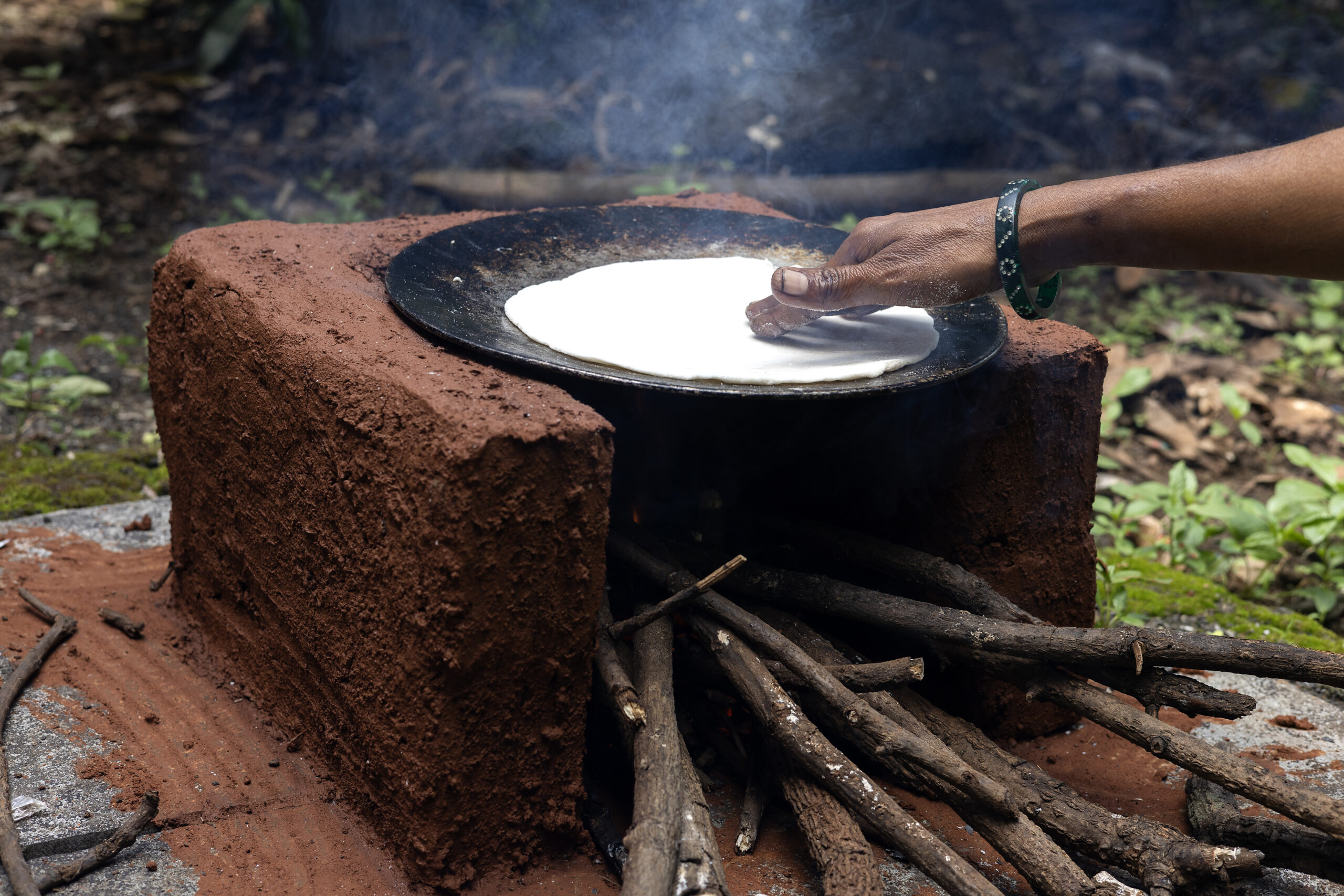
Before recipes were written, they were lived—etched into clay, sung through smoke, whispered from one woman to another.
At The Chula Trails, that whisper has become architecture, and its custodian is Nayna Kuwalekar—the visionary who turned memory into design, and fire into philosophy.
The Woman Who Dreamed in Fire and Clay
For Nayna Kuwalekar, food was never just nourishment; it was heritage.
She grew up watching the chula—the humble woodfire hearth—serve as the centre of village life: a symbol of warmth, rhythm, and belonging.
Years later, walking the grounds of Arbor Resort, she saw a space that could rekindle that bond between people and flame.
“I didn’t want another restaurant,” she says. “I wanted a living fire that teaches everyone who stands near it—how to cook, how to care, how to remember.”
That vision became The Chula Trails—a space where architecture, culture, and cuisine merge into one elemental experience.
Designing with Memory
Nayna’s role began long before the first brick was laid.
She studied how smoke curls, how light touches earthen walls, how the aroma of ghee interacts with red clay.
Her sketches looked less like blueprints and more like poems of fire and silence.
Every chula pit was positioned according to airflow and the sun’s path, not convenience.
Dining areas were shaped to feel communal, not commercial.
And the materials—local soil, bamboo, and stone—were chosen for their temperature of emotion, not cost.
“A guest shouldn’t just see authenticity,” Nayna says. “They should feel it in the air they breathe.”
Through her, architecture became empathy.
The Philosophy of Fire
Nayna calls the chula a “living teacher.”
Its slow burn demands patience; its unpredictability cultivates intuition.
This philosophy anchors the entire team.
Every staff member, from chef to steward, is trained to understand not only recipes but the rhythm of flame.
Nayna often tells them:
“A good cook follows a recipe; a great one listens to the fire.”
She mentors her team like a conductor guiding an orchestra—never raising her voice, yet every gesture shaping harmony.
Training the Keepers of Flame
To walk into a Chula Trails training session is to witness culture being handed down, not taught.
Nayna gathers the chefs around a still, unlit stove. She speaks of respect—for the ingredients, for the soil that grew them, and for the guests who will taste them.
She encourages the staff to cook with story.
Every dish must answer one question: “Whose memory does this plate carry?”
One young chef recalls:
“Ma’am never tells us what to do—she makes us feel why it matters. When we plate the Misal or fry the bhajis, we remember her words: ‘You are not feeding customers. You are continuing a lineage.’”
That sense of purpose has turned a restaurant team into a family of firekeepers.
The Space as Classroom
Every corner of The Chula Trails doubles as a lesson.
The open kitchens teach transparency; the courtyards teach community; the smoke teaches patience.
Nayna designed the service flow so guests can watch, ask, and engage.
She believes interaction dissolves hierarchy—between diner and cook, manager and server, heritage and modernity.
At sunset, when lamps flicker and folk music hums through the air, the staff move like dancers—graceful, assured, proud.
Each step traces back to Nayna’s training: “Serve with silence, speak with eyes, and let warmth reach before words do.”
Heritage Meets Vision
The menu carries Maharashtrian roots but speaks a contemporary language.
That balance—between nostalgia and novelty—is Nayna’s signature.
She conceptualized the “Heritage Flame Series,” where ancient recipes are reimagined using modern techniques but cooked only on woodfire.
So the bharli vangi might arrive with microgreens, yet its heart remains earthy.
The kokum prawn broth might be poured tableside, yet the smoke in its aroma carries 200 years of memory.
Every innovation is anchored in respect.
“Progress,” Nayna says, “isn’t leaving tradition behind. It’s letting it evolve with dignity.”
Empowering Through Fire
Beyond dining, The Chula Trails has become a quiet movement.
Under Nayna’s mentorship, local women from Karjat’s villages are trained in traditional cooking, hospitality, and storytelling.
She calls it ‘Fire to Future’—a program that gives employment and identity while preserving culinary heritage.
She often reminds them:
“The flame doesn’t belong to one kitchen. It belongs to every woman who ever lit it.”
That philosophy burns brighter than any branding campaign.
Guests taste it—in the humility of service, the warmth of greetings, the pride in every plate.
When Fire Becomes Emotion
Spend an evening here, and you’ll understand why The Chula Trails feels alive.
The crackle of logs, the scent of coriander seeds roasting, the quiet smile of the server placing your thali—it all carries one invisible thread: Nayna’s intent.
Even without her physical presence, her philosophy inhabits the space.
Every plate served is a reflection of her belief that food, at its best, is a spiritual act—an exchange of warmth between giver and receiver.
A guest once wrote in the visitor’s journal:
“This isn’t dining—it’s remembrance. The fire remembers the women who taught, the land that grew, and the hands that served.”
That, perhaps, is the greatest compliment a culinary architect could receive.
The Ever-Living Chula
When the night quiets and guests depart, the embers are never extinguished.
They are left to glow softly—alive, remembering, waiting.
Because The Chula Trails was never built to end with a meal.
It was built to continue—through stories, through people, through the discipline Nayna instilled in her team.
Fire, she believes, is continuity.
And The Chula Trails stands as proof that heritage, when guided by vision, can become hospitality’s most luminous form.